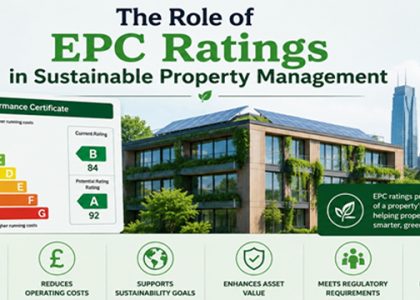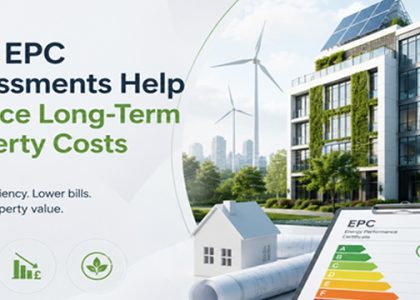
Energy compliance was once viewed mainly as a legal obligation, but in 2026 it has become much more than that. Businesses across the UK are now recognising that strong energy performance and regulatory compliance can provide a real competitive advantage. From reducing operational costs to improving brand reputation, energy-efficient buildings are helping organisations operate smarter, attract clients, and prepare for a more sustainable future.
As energy prices continue to fluctuate, businesses are under increasing pressure to control operational expenses. Commercial properties that perform poorly in terms of energy efficiency often face higher utility bills, increased maintenance costs, and reduced system reliability. Compliance services such as EPCs, TM44 inspections, ESOS audits, and F-Gas regulations help identify inefficiencies that may otherwise go unnoticed. By improving energy performance, businesses can significantly reduce running costs while improving the overall efficiency of their operations.
Sustainability has also become a major factor in decision-making for clients, investors, and tenants. Companies that demonstrate a commitment to energy efficiency and environmental responsibility are often viewed as more reliable and forward-thinking. Energy compliance reports and certifications provide measurable evidence that a business is actively reducing its environmental impact. This can strengthen brand image, improve stakeholder confidence, and even create advantages when competing for contracts or partnerships.
For landlords and commercial property owners, energy compliance is becoming increasingly important in maintaining property value and tenant demand. Businesses are now more selective about the spaces they occupy, with many prioritising buildings that offer lower energy costs and sustainable infrastructure. Properties with better energy ratings are often more attractive to tenants and may achieve stronger long-term occupancy rates compared to inefficient buildings that require costly upgrades.
Technology is also changing how businesses approach compliance and energy management. Smart building systems, energy monitoring tools, and efficient HVAC technologies are helping organisations gain better control over their energy usage. Combined with regular inspections and compliance assessments, these innovations allow businesses to make informed decisions that improve both performance and sustainability.
Another important factor is future regulation. UK energy legislation is continuing to evolve, and businesses that take proactive steps now are likely to face fewer challenges in the future. Investing in energy compliance today helps organisations avoid potential penalties, reduce the risk of non-compliance, and prepare for stricter standards that may be introduced in coming years.
In today’s business environment, energy compliance is no longer simply about meeting regulations. It is a strategic investment that can reduce costs, improve operational performance, strengthen reputation, and support long-term growth. Businesses that prioritise energy efficiency today are positioning themselves for greater resilience and success in an increasingly sustainability-focused market.