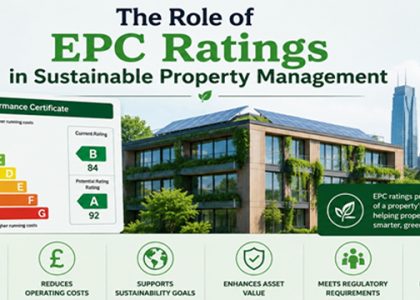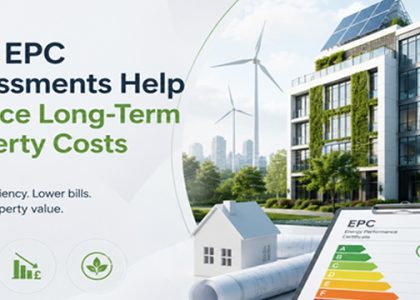
Commercial buildings consume a significant amount of energy every day, from heating and cooling systems to lighting, ventilation, and office equipment. As energy costs continue to rise, businesses are becoming more aware of the importance of managing energy consumption efficiently. Regular energy assessments are one of the most effective ways to identify waste, improve performance, and reduce long-term operating expenses.
An energy assessment provides a detailed review of how a building uses energy and where improvements can be made. Many commercial properties lose energy through outdated systems, poor insulation, or inefficient lighting. Without regular inspections, these issues often remain unnoticed, leading to unnecessary costs and reduced efficiency over time.
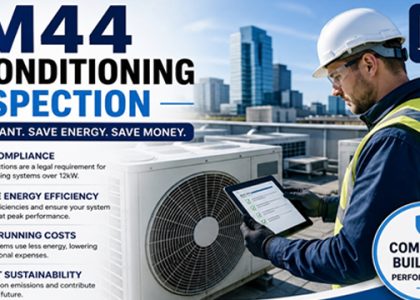
Regular assessments also help businesses stay compliant with current regulations and industry standards. Energy efficiency requirements are becoming increasingly important in the property sector, especially for commercial spaces that are leased, sold, or publicly occupied. Maintaining up-to-date certifications demonstrates professionalism and helps businesses avoid potential compliance issues.
In addition to financial savings, energy-efficient commercial buildings create a more comfortable environment for employees and visitors. Proper heating, cooling, and ventilation contribute to improved workplace productivity and overall satisfaction. Businesses that invest in sustainable building practices also strengthen their reputation by showing a commitment to environmental responsibility.
At EPCify, we provide reliable and professional energy assessment services tailored for commercial properties of all sizes. Our experienced assessors help identify opportunities for improvement while ensuring that buildings meet the required energy performance standards. From offices and retail spaces to industrial facilities, we support businesses in achieving better energy efficiency and operational performance. Regular energy assessments are not just about meeting regulations — they are about building a smarter, more cost-effective future. By understanding how energy is used within a property, businesses can make informed decisions that reduce expenses, improve efficiency, and support long-term sustainability goals.