Energy efficiency has become a key concern for property owners, tenants, and buyers across the UK. One of the most important documents in this area is the Energy Performance Certificate, commonly known as an EPC. Whether you are selling, renting, or simply improving your property, understanding EPCs is essential.
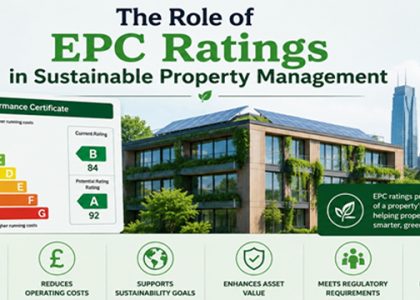
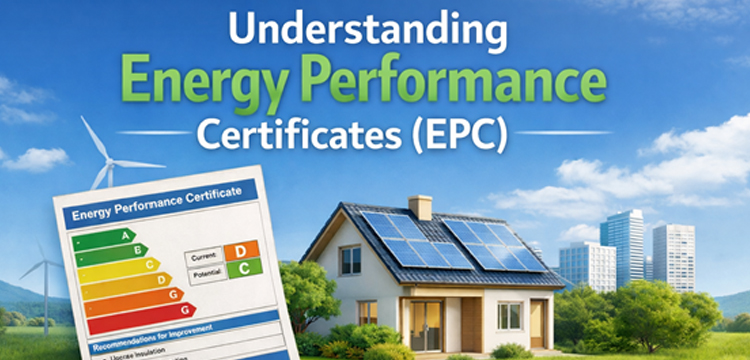
An Energy Performance Certificate provides a detailed overview of a property’s energy efficiency. It rates the building from A to G, with A being the most energy-efficient and G being the least. The certificate also includes recommendations on how to improve the property’s energy performance, helping owners reduce energy consumption and lower utility costs.
EPCs are legally required whenever a property is built, sold, or rented. Landlords must ensure their property meets at least an E rating before renting it out, although regulations are becoming stricter over time. Failure to comply with EPC requirements can result in fines and legal complications, making it crucial for property owners to stay up to date with the latest rules.
The assessment process is carried out by a qualified EPC assessor who visits the property and evaluates key factors such as insulation, heating systems, windows, and overall construction. The data collected is then used to generate the EPC report, which is valid for ten years.
Improving your EPC rating can significantly increase your property’s value and appeal. Simple upgrades such as installing energy-efficient lighting, improving insulation, upgrading boilers, or adding double glazing can make a noticeable difference. Not only do these improvements help meet legal requirements, but they also attract environmentally conscious buyers and tenants.
In recent years, the UK government has been pushing for higher energy efficiency standards as part of its broader sustainability goals. This means EPC regulations are expected to tighten further, especially for rental properties. Landlords and property investors should consider proactive improvements now to avoid higher costs and compliance issues in the future. In conclusion, an Energy Performance Certificate is more than just a legal requirement—it is a valuable tool that helps property owners understand and improve energy efficiency. By investing in upgrades and staying compliant with regulations, you can enhance your property’s value, reduce energy bills, and contribute to a more sustainable future.