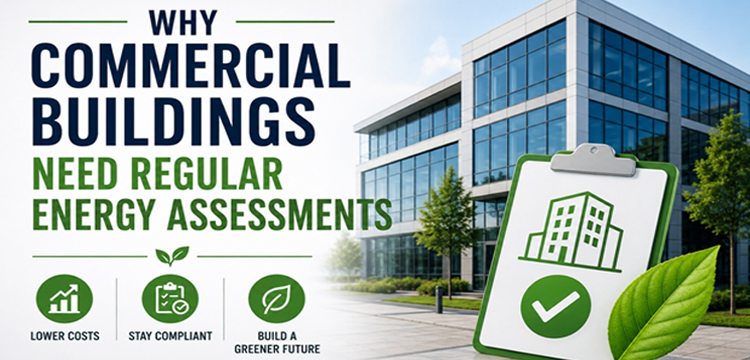
As energy regulations continue to evolve across the UK, commercial property owners are placing greater focus on energy efficiency, operational performance, and regulatory compliance. Regular energy assessments have become an essential part of managing commercial buildings, helping businesses reduce costs, improve sustainability, and maintain compliance with modern energy standards. From office spaces and retail units to warehouses and industrial facilities, energy assessments provide valuable insights that can significantly improve building performance.
Many commercial buildings consume more energy than necessary due to outdated systems, poor insulation, inefficient lighting, or improperly maintained HVAC equipment. Without regular assessments, these inefficiencies often remain unnoticed, leading to rising operational costs and unnecessary energy waste. Energy assessments help identify these issues early, allowing businesses to take corrective action before costs escalate further.
One of the main advantages of regular energy assessments is cost reduction. By identifying areas where energy is being wasted, businesses can implement targeted improvements that lower utility bills and improve efficiency. Upgrades such as energy-efficient lighting, improved insulation, smart building controls, and modern heating or cooling systems can have a significant impact on long-term operational expenses. In many cases, relatively small changes can generate noticeable savings over time.
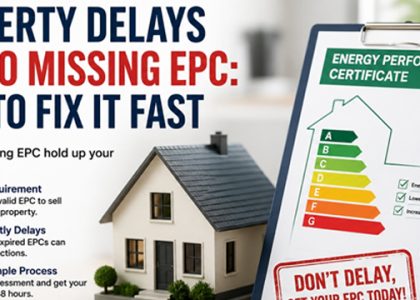
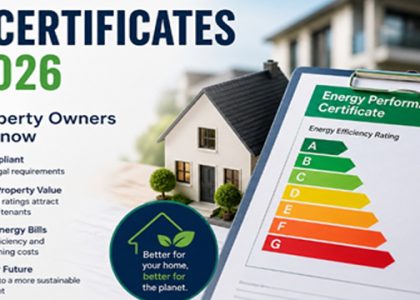
Energy assessments also play a critical role in helping businesses comply with UK regulations. Services such as Energy Performance Certificates (EPCs), TM44 air conditioning inspections, and ESOS audits are often required under specific legal frameworks. Failing to comply with these regulations can lead to penalties, delays in property transactions, or reputational risks. Regular assessments ensure that businesses remain compliant while maintaining accurate records and up-to-date certifications.
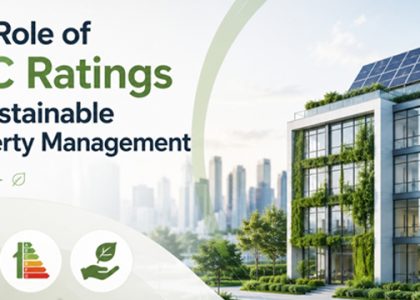
Beyond financial and legal benefits, energy-efficient buildings are increasingly attractive to tenants, investors, and customers. Businesses today are more conscious of sustainability and environmental responsibility, and many prefer to operate from buildings that demonstrate strong energy performance. Commercial properties with better energy efficiency ratings often enjoy stronger market appeal, improved occupancy rates, and enhanced long-term asset value.
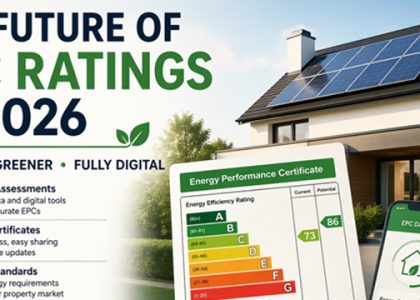
Technology has also transformed the way commercial buildings manage energy consumption. Smart monitoring systems, automated controls, and advanced reporting tools now allow businesses to track energy usage more effectively and make informed decisions based on real-time data. When combined with professional energy assessments, these technologies help create more efficient, cost-effective, and environmentally responsible buildings.
In an increasingly competitive and sustainability-focused market, regular energy assessments are no longer optional for commercial properties. They are a proactive investment that helps businesses reduce costs, improve compliance, support environmental goals, and enhance overall building performance. Taking action today can help property owners and organisations prepare for future regulations while creating more efficient and resilient commercial spaces.