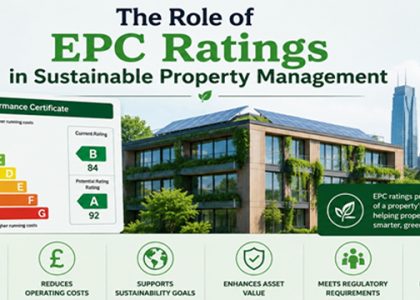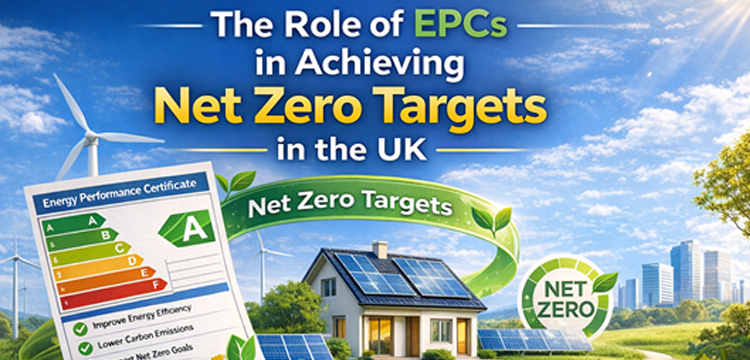
As the UK continues its journey toward achieving net zero carbon emissions, Energy Performance Certificates (EPCs) are playing an increasingly important role in shaping the future of the property sector. These certificates are no longer just a compliance requirement—they have become a key tool in measuring, managing, and improving the energy efficiency of buildings across the country.
The UK government has set ambitious targets to reduce carbon emissions, with housing being one of the largest contributors to energy consumption. EPCs provide a standardized way to assess how efficiently a property uses energy and how much carbon it produces. By identifying areas of improvement, EPCs help property owners take practical steps toward reducing their environmental impact.
One of the major ways EPCs support net zero goals is through their recommendations. Each certificate outlines specific upgrades such as improving insulation, installing energy-efficient heating systems, or incorporating renewable energy sources like solar panels. When these improvements are implemented on a large scale, they significantly reduce overall energy demand and carbon emissions.
For landlords and property investors, EPCs are becoming central to long-term planning. With regulations expected to tighten in the coming years, properties may be required to achieve higher minimum ratings, such as C or above. This shift encourages early investment in energy efficiency, helping owners avoid future penalties while contributing to national sustainability targets.
EPCs also influence consumer behavior. Buyers and tenants are becoming more environmentally conscious, often prioritizing properties with better energy ratings. This demand pushes the market toward greener buildings, creating a ripple effect that supports the UK’s broader climate goals.
In addition, financial incentives and government schemes are often linked to EPC ratings. Properties with higher efficiency may qualify for grants, funding, or tax benefits, making it more attractive for owners to invest in upgrades. This alignment of economic and environmental benefits further accelerates progress toward net zero.
However, challenges remain. Many older properties require significant investment to improve their ratings, and there is still a need for greater awareness and accessibility of funding options. Despite this, EPCs provide a clear roadmap for improvement, making the transition more structured and achievable.
In conclusion, Energy Performance Certificates are a vital component in the UK’s strategy to reach net zero emissions. By guiding property improvements, influencing market demand, and supporting regulatory frameworks, EPCs are helping transform the built environment into a more sustainable and energy-efficient sector.