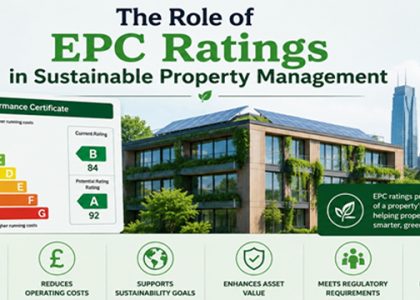
Energy Performance Certificates (EPCs) are a vital part of property compliance in the UK, yet many property owners make simple mistakes that can lead to poor ratings, legal issues, or missed opportunities to improve efficiency. Understanding these common errors can help landlords and homeowners make better decisions and get the most out of their EPC assessment.
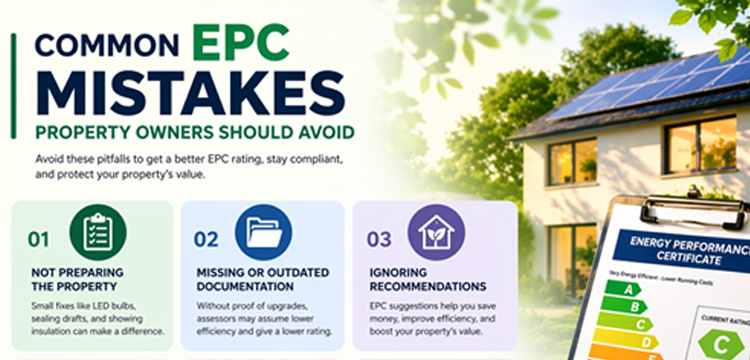
One of the most frequent mistakes is failing to prepare the property before the assessment. Many owners overlook small improvements such as installing energy-efficient light bulbs, sealing drafts, or ensuring insulation is visible and accessible. These minor adjustments can positively influence the final rating, but if not addressed beforehand, they may be missed during the inspection.
Another common issue is outdated documentation. EPC assessors rely on evidence such as installation certificates, insulation records, or details of heating system upgrades. If property owners cannot provide this information, the assessor may assume lower efficiency levels, resulting in a reduced rating. Keeping all relevant documents organized and ready can make a significant difference.
Ignoring recommended improvements is also a costly mistake. EPC reports provide tailored suggestions to enhance energy efficiency, yet many property owners fail to act on them. Over time, this can lead to higher energy bills, lower property value, and difficulty meeting future regulatory requirements. Taking action early is often more cost-effective than delaying upgrades.
Some landlords also misunderstand legal requirements. For example, renting out a property with an EPC rating below the minimum standard can lead to fines and restrictions. Staying informed about changing regulations is essential to avoid penalties and ensure compliance.
Another overlooked factor is choosing an inexperienced or unqualified assessor. A poorly conducted assessment can lead to inaccurate results, which may not reflect the true efficiency of the property. Working with a certified and experienced EPC assessor ensures a fair and reliable evaluation.
Lastly, many property owners focus only on short-term costs rather than long-term benefits. While some energy improvements may require an initial investment, they often lead to savings through reduced energy bills and increased property appeal. A better EPC rating can also make a property more attractive to buyers and tenants.
In conclusion, avoiding these common EPC mistakes can help property owners achieve better ratings, stay compliant with regulations, and improve overall property value. With proper preparation, documentation, and a proactive approach to upgrades, EPCs can become a powerful tool for both financial and environmental benefits.