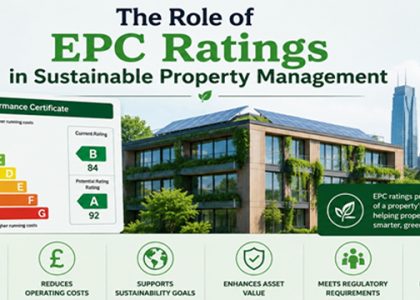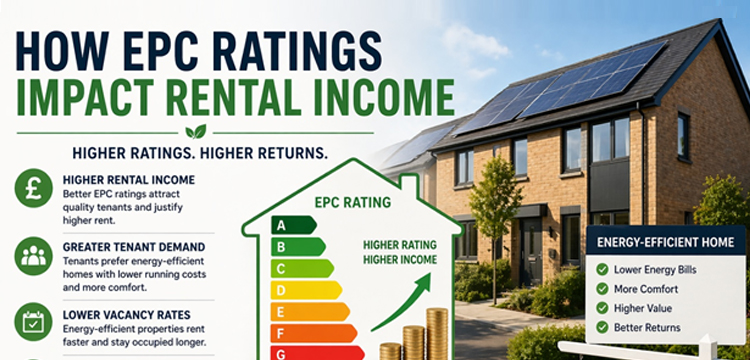
Energy Performance Certificates (EPCs) are no longer just a regulatory requirement—they are now a major factor influencing rental income and tenant demand. In 2026, tenants are far more aware of energy efficiency, and rising utility costs have made EPC ratings a key consideration when choosing a property. As a result, landlords with higher-rated properties are seeing clear financial benefits compared to those with lower ratings.
A property with a strong EPC rating, such as A, B, or C, is often more attractive to tenants because it promises lower energy bills and a more comfortable living environment. This increased demand allows landlords to justify higher rental prices and experience shorter vacancy periods. On the other hand, properties with poor ratings (E, F, or G) can struggle to attract tenants, often requiring reduced rent or additional incentives to remain competitive in the market.
In addition to tenant preferences, government regulations are playing a crucial role in shaping rental income. Many regions are tightening minimum EPC requirements for rental properties, meaning landlords must invest in energy improvements to legally rent out their properties. Failure to meet these standards can result in penalties or even restrictions on renting, directly impacting income potential.
Improving an EPC rating does require upfront investment, but it often leads to long-term gains. Upgrades such as better insulation, energy-efficient heating systems, and double-glazed windows not only improve the EPC score but also increase the overall value of the property. Over time, landlords benefit from higher rental yields, reduced maintenance issues, and greater tenant satisfaction.
Another growing trend in 2026 is the use of EPC ratings as a marketing tool. Property listings now prominently display energy ratings, and tenants frequently compare options based on expected energy costs. A higher EPC rating can therefore act as a competitive advantage, helping properties stand out in a crowded rental market.
In conclusion, EPC ratings have become directly linked to rental income and property performance. Landlords who invest in improving energy efficiency are not only ensuring compliance with regulations but also positioning themselves for stronger financial returns. As the market continues to evolve, energy-efficient properties will remain in high demand, making EPC ratings a key driver of success in the rental sector.